
 Stone Cutting Machines
 Stone Polishing Machines
 Bridge Saw Machines
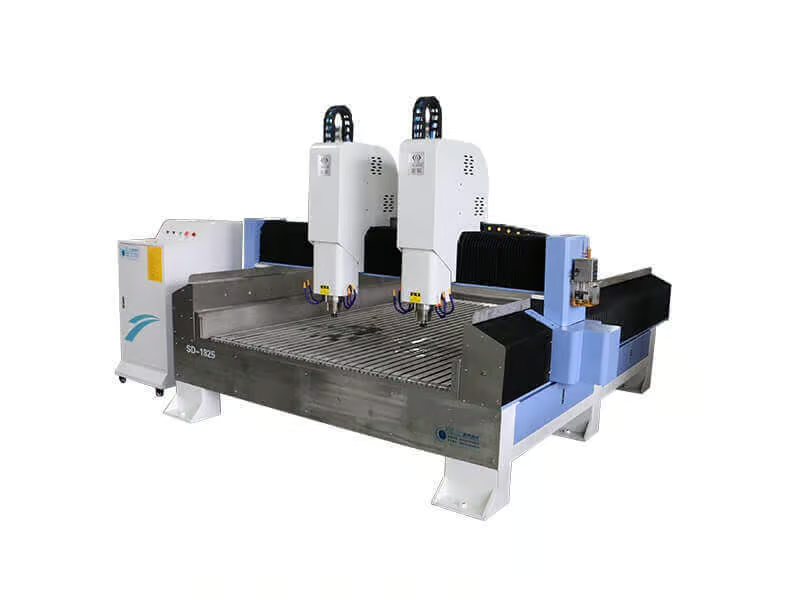 Stone Engraving Machines
 Stone Veneer Saw
 Stone Quarry Machines
 Stone Band Saw Machines
 Stone Edging Beveling Machine
 Other Stone Machines
 Stone Diamond Tools
 Stone Slab Cutting
 Stone Slab Surface Edge Polishing
 Stone Block Slicing
 Stone Quarry Mining
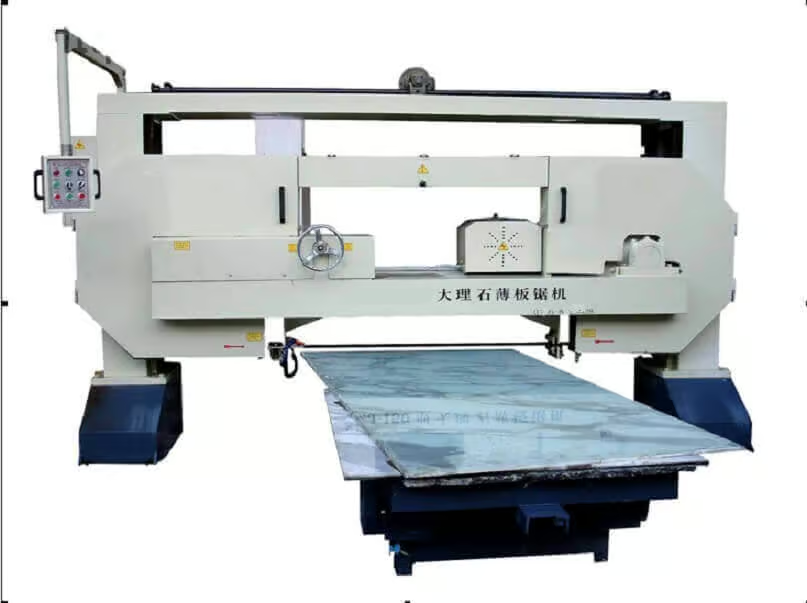 Stone Horizontal Splitting
 Stone Engraving Applications
 CNC Stone Cutting
 Countertop Cutting Polishing
 Other Applications
Essential Tips for Maintaining Your CNC Machine Stone Cutting System
Your stone fabrication equipment is the beating heart of your workshop. Whether you recently invested in a high-performance CNC stone cutting machine or are looking to extend the life of your current setup, proper daily maintenance is the key to preventing costly downtime. Working with natural stone creates a harsh environment filled with abrasive dust and water. Following a strict maintenance routine ensures your machine maintains its laser-sharp precision and delivers decades of reliable performance.
1. Daily Maintenance Checklist: The Foundation of Longevity
The combination of stone dust and cooling water creates "stone slurry"—a highly abrasive, cement-like paste that can destroy moving parts if left unchecked. Your daily routine should focus heavily on keeping the machine clean.
End-of-Shift Daily Tasks:
- Cleaning the Stone Slurry: Use a low-pressure water hose to wash down the worktable, blade guards, and machine bed. Never use high-pressure washers near bearings or electrical sensors.
- Wiping the Sensors: Ensure all limit switches and infrared alignment lasers are wiped clean with a dry microfiber cloth.
- Basic Lubrication: Check the automatic lubrication pump reservoir. Ensure there is enough oil to keep the X and Y-axis guide rails protected overnight.

Removing abrasive stone slurry daily is the most critical step in machine maintenance.
2. Weekly & Monthly Deep Inspections
While daily cleaning prevents immediate jamming, weekly and monthly checks focus on the mechanical and hydraulic health of your stone cutter machine.
Guide Rails and Bearings
Even with protective bellows, fine dust can penetrate the linear guide rails. Once a week, wipe down the exposed sections of the rails and manually apply high-quality lithium grease to the z-axis screw and rotary bearings. Listen for any grinding noises during operation—this is the first sign of bearing wear.
Hydraulic & Pneumatic Systems
If your machine features a tilting table for loading slabs, check the hydraulic station monthly. Ensure the hydraulic oil is at the correct level and free from milky discoloration (which indicates water contamination). Additionally, drain the water traps on your air compressor to ensure the pneumatic valves receive dry, clean air.
3. Protecting the Heart: Spindle and Blade Care
The spindle motor and the diamond blade endure the most stress during fabrication. Protecting these components guarantees smooth, chip-free cuts.

Adequate water cooling prevents the diamond segments from glazing and protects the spindle from overheating.
Cooling Water Flow
Never run your bridge saw CNC without adequate water. Ensure that the water jets are completely unclogged and directed at the point of contact between the blade and the stone. Insufficient cooling will cause the diamond segments to overheat and glaze over, drastically reducing cutting speed and potentially burning out the spindle motor.
Blade Tension and Alignment
Inspect the diamond blade weekly for missing segments or core warping. Use a dial indicator to check for blade runout (wobble). A wobbling blade not only destroys the edge of the marble but also sends destructive vibrations directly back into the spindle bearings.
4. The Brain of the Operation: Electrical Cabinet & CNC System
Many fabricators focus solely on the mechanical parts and forget the machine's "brain." A well-maintained electrical cabinet prevents mysterious software crashes and sudden stoppages.
- Keep it Sealed: The electrical cabinet is rated IP65 to keep out moisture and dust. Never operate the machine with the cabinet doors open.
- Clean the Cooling Fans: The inverter and PLC generate heat. Check the cooling fan filters on the cabinet doors monthly and vacuum out any accumulated stone dust to prevent the electronics from overheating.
- Software Backups: At least twice a year, use a USB drive to back up your CNC parameters and machine calibration settings. If a power surge fries the motherboard, having a backup saves days of reprogramming.
5. When Maintenance Isn't Enough: Time to Upgrade?
Even with meticulous care, equipment eventually reaches the end of its technological lifespan. If your older manual or early-generation CNC machine is requiring weekly part replacements, losing calibration mid-cut, or failing to integrate with modern CAD/CAM software, the cost of maintenance is likely eating into your profits.
If constant repairs are slowing down your production, it might be time to explore our latest, highly reliable CNC machine stone cutting solutions. Designed with sealed, self-lubricating components and remote diagnostic capabilities, modern machines are engineered for maximum output with minimal maintenance headaches.
6. FAQ: Stone CNC Machine Maintenance
Common troubleshooting and maintenance questions from professional stone fabricators.
1. What type of grease should I use for my CNC stone saw guide rails?
We recommend using a high-quality, water-resistant lithium complex grease (NLGI 2). It adheres well to the linear rails and won't easily wash away when exposed to stone cutting coolant.
2. Why is my stone cutter machine spindle getting too hot?
Spindle overheating is usually caused by inadequate water cooling, dull diamond blades forcing the motor to work harder, or worn-out internal spindle bearings. Check your coolant flow immediately.
3. How often should I change the hydraulic oil in my stone cutting table?
For a standard stone CNC machine operating 8 hours a day, the hydraulic oil in the tilting table station should be completely drained and replaced every 12 to 18 months, or sooner if the oil appears cloudy.
4. Can I use regular tap water for the diamond blade cooling system?
Yes, tap water is fine, but most modern factories use a water recycling system. If you recycle your water, ensure your settling tanks are cleaned regularly so you aren't pumping abrasive mud back through the spindle coolant lines.
5. What is the best way to clean stone slurry off the machine bed?
Use a standard garden hose with moderate pressure at the end of every shift. Never let the slurry dry overnight, as it will harden like cement and damage the protective bellows of your bridge saw CNC.
6. How do I prevent rust on the linear guides of my machine?
Ensuring the automatic lubrication system is functioning is your first line of defense. During extended holidays or factory shutdowns, manually coat the exposed metal rails with a thin layer of anti-rust machine oil.
7. Why is my automatic stone cutter losing calibration accuracy?
Loss of accuracy is often due to loose encoder belts, stone dust buildup on the rack and pinion gears, or a failing limit switch. A thorough cleaning of the drive tracks usually resolves minor calibration drifting.
8. How often should I back up my CNC stone cutting software parameters?
You should back up the CNC system to a secure USB drive every 6 months, or immediately after a factory technician performs any system updates or major recalibrations on the industrial stone cutter.
9. What should I do if the electrical cabinet fan stops working?
Replace it immediately. Operating the machine to cut marble without proper cabinet ventilation will cause the VFD inverters and PLC to overheat, potentially causing thousands of dollars in electrical damage.
10. Is daily maintenance different for a 5-axis vs. a 3-axis stone CNC machine?
Yes. A 5-axis stone saw machine has additional rotational axes (A and C) in the spindle head. These complex gears require stricter adherence to the manufacturer's manual greasing schedule compared to a simpler 3-axis machine.
Need Spare Parts or a Machine Upgrade?
Whether you need replacement diamond blades, fresh hydraulic filters, or are looking to upgrade to a zero-headache CNC system, the MOSCUT engineering team is here to support your workshop.
Explore High-Reliability CNC Machines