
 Stone Cutting Machines
 Stone Polishing Machines
 Bridge Saw Machines
 Stone Quarry Cutting Machines
 Stone Block Cutter Machine
 CNC Stone Wire Saw Machine
 Stone Engraving Machines
 Thin Stone Veneer Saw Machine
 Horizontal Stone Slab Splitting Machine
 Stone Edging Beveling Machine
 Stone Auxiliary Equipment
Let’s face a harsh reality in the stone fabrication industry: a $50,000 precision CNC machine can easily be destroyed in just two years simply because an operator neglected a $5 tube of grease. A stone workshop is arguably one of the most hostile environments for mechanical equipment on earth. The constant presence of water mixed with highly abrasive quartz and granite dust creates a deadly slurry that eats through steel and linear guides if left unchecked.
Proper stone bridge saw maintenance is not just a recommendation; it is the absolute lifeline of your factory’s profitability. In this comprehensive guide, we will break down the exact daily, weekly, monthly, and annual maintenance standard operating procedures (SOP) your team must follow to prevent catastrophic breakdowns and ensure your cuts remain millimeter-perfect for decades.

Why a Strict Maintenance Routine is Non-Negotiable
Before we dive into the checklist, your operators must understand why they are doing this. When maintenance is skipped, the abrasive stone slurry dries into a cement-like crust on the moving parts. This forces the servo motors to work harder, strips the gear racks, and destroys the linear guide rails.
A strict maintenance routine achieves three vital things: it eliminates expensive downtime (waiting weeks for replacement parts), it maintains the absolute accuracy of your cuts (preventing wavy countertop edges), and it significantly extends the lifespan of your expensive diamond blades and the machine itself.
Daily Maintenance Checklist (End of Shift)
These are the critical tasks that take less than 10 minutes but will save your machine. They must be performed at the end of every single working day before the operator turns off the lights and leaves the factory.

Flushing the Water System & Cleaning the Table
Never let stone mud dry on your machine overnight. Use a fresh water hose to thoroughly wash down the hydraulic worktable, removing all granite and quartz slurry. Flush the spindle’s water nozzle to ensure no mud has clogged the internal cooling ports. A clean table ensures the next morning’s slab will lay perfectly flat.

Wiping Down Linear Guides & Sensors
Take a clean, dry rag and wipe down the exposed sections of the X and Y-axis linear guide rails. Remove any splashed mud before it hardens. Crucially, wipe the optical sensors and mechanical limit switches located at the ends of the bridge. If a sensor is covered in mud, the machine might crash into its own frame.

Visual Inspection of the Diamond Blade
Before leaving, the operator should visually inspect the diamond blade and the router bit. Look for missing diamond segments, uneven wear, or a warped steel core. Catching a damaged blade early prevents it from shattering during a heavy cut the next day, which could damage the spindle motor.
Weekly Deep Care Routine
Every Friday afternoon or Saturday morning, allocate 30 minutes for a deeper mechanical inspection. This is where lubrication plays the starring role in your bridge saw maintenance.

Greasing the X, Y, and Z Axes
Using a high-quality industrial lithium grease, lubricate the gear racks and pinions on the main bridge and side beams. Use a manual grease gun to inject grease into all the linear bearing blocks (sliders). For the Z-axis (the up/down spindle movement), apply grease directly to the ball screw to prevent the heavy cutting head from jamming.

Inspecting Hydraulic & Pneumatic Lines
Check the hydraulic cylinders under the tilting worktable for any signs of oil leaks. Inspect the air pressure gauge on the pneumatic system. If your machine is equipped with a vacuum lifter, carefully check the rubber suction pads for tears and ensure the air hoses are securely connected and not rubbing against moving parts.
Monthly, Bi-Annual & Annual Expert Inspections
These deeper inspections should be carried out by your factory’s maintenance supervisor or an experienced mechanic to uncover hidden wear and tear before it causes a sudden breakdown.

Electrical Cabinet Maintenance (Monthly)
Power off the machine completely. Open the electrical cabinet and use compressed air to gently blow out any accumulated dust, paying special attention to the cooling fans and inverter heat sinks. Stone dust can cause static shorts and overheating. Check all wiring terminals to ensure vibrations haven’t rattled them loose.

Spindle Motor & Oil Bath Checks (Bi-Annual)
Every six months, inspect the main spindle motor bearings for unusual noise or excessive heat. If your machine utilizes an enclosed oil-bath system for the linear guides, check the oil level sight glass. Drain the old, contaminated oil and refill it with the manufacturer-recommended gear oil to ensure buttery-smooth transmission.

Annual Machine Calibration & Leveling (Annual)
After a full year of heavy multi-ton slabs slamming onto the table and high-speed gantry movements, micro-shifts happen. Use a precision machinist level to check the X and Y guide rails. Tighten all foundational anchor bolts. Have a technician recalibrate the CNC software parameters and realign the overhead camera/laser to ensure your 45-degree miter cuts remain perfectly square.
Top 3 Mistakes That Destroy Bridge Saws
Knowing what not to do is just as important as knowing your maintenance checklist. Avoid these common rookie mistakes that void warranties and destroy machinery.

Using Dirty Recycled Water
While recycling water is eco-friendly, pumping thick, unfiltered mud back through your machine is a death sentence. The abrasive slurry will quickly destroy the water pump impeller, clog the spindle’s cooling nozzles, and ultimately cause your diamond blade to overheat and warp.

Applying Grease to Dirty Rails
Never pump fresh grease over old, dirty guide rails. Mixing new grease with abrasive quartz dust creates a highly effective “grinding paste.” This paste will rapidly grind down the steel teeth on your gear racks. Always wipe the rails clean before applying fresh lubrication.
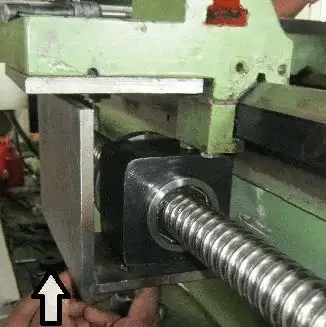
Ignoring Z-Axis Lubrication
Because the Z-axis (up/down mechanism) is often hidden behind covers, operators forget about it. If the Z-axis ball screw runs dry, the cutting head will begin to stutter as it plunges into the stone, causing immediate chipping on delicate sink cutouts and drastically reducing the life of the spindle.
Conclusion & Maximize Your Machine’s ROI
A well-maintained bridge saw will provide you with 10 to 15 years of relentless, highly profitable production. By instilling a culture of discipline and making this daily, weekly, and annual maintenance routine a mandatory part of your factory’s operations, you protect your investment and guarantee the quality of your finished stone products.
Is Your Old Machine Beyond Repair?
If your current equipment has lost its accuracy due to years of poor maintenance, it might be costing you more in wasted material than a new machine would. Upgrade to our heavy-duty, low-maintenance CNC solutions.
Discover Advanced MOSCUT Bridge SawsTop 10 FAQ About Bridge Saw Maintenance
Need quick troubleshooting advice? Here are the most common questions factory owners ask our service engineers regarding daily machine care.
Cleaning & Lubrication
1. What type of grease should I use on the guide rails?
Always consult your manual, but generally, a high-quality NLGI 2 lithium-based industrial grease is recommended for the gear racks, and a lighter lubricating oil (like ISO VG 68) is used for the linear guide blocks if they are not on an auto-lube system.
2. Can I use a pressure washer to clean the machine?
Be very careful. You can use low pressure to wash the worktable and lower frame, but never point high-pressure water directly at the electrical cabinet, the spindle motor, the servo motors, or the linear guide bearings, as it can force water past the protective seals.
3. My guide rails have light surface rust. What should I do?
Light surface rust means the rails are dry. Clean the rust off immediately using a very fine Scotch-Brite pad and a rust-penetrating oil (like WD-40). Wipe it completely dry, and then apply a thick coat of the correct lubricating grease.
4. How often should I drain the water recycling pit?
This depends on your volume, but for a busy shop, the main settlement pit should be dredged and cleaned out at least once a month. If the water returning to the machine looks thick and milky, it’s time to clean the pit.
5. How do I maintain the vacuum lifter pads?
Wipe the white rubber suction pads daily with a clean, damp cloth. Never use harsh solvents, as they will degrade the rubber. If the rubber feels hard, cracked, or refuses to hold pressure, replace the pads immediately for safety.
Troubleshooting & Wear Parts
6. The machine shudders when cutting straight lines. Why?
This is usually caused by a lack of lubrication on the X or Y-axis gear racks, or the diamond blade has become dull or warped. Clean and heavily grease the racks first. If the shudder persists, inspect the blade.
7. Why is my 45-degree miter cut no longer perfectly aligned?
If your miters are off, the machine likely needs recalibration. The foundation might have shifted slightly, or the A-axis (tilt motor) needs to be digitally zeroed out in the CNC software by a technician.
8. The spindle sounds louder than usual. What is wrong?
A whining or grinding noise from the spindle is a major warning sign that the internal bearings are failing (often due to water ingress or age). Stop cutting immediately and contact support to prevent a catastrophic motor failure.
9. How do I know when to replace the diamond blade?
You should replace the blade when the cutting speed noticeably slows down, the machine starts drawing excessive amperage, the stone edges show severe chipping, or the diamond segments are visually worn down to the steel core.
10. The touchscreen is unresponsive. What should I do?
First, wipe the screen gently with a microfiber cloth; dust or water droplets can confuse the touch sensors. If it remains frozen, perform a hard reboot of the electrical cabinet. Check that the internal cabinet cooling fans are working, as overheating can cause the PC to freeze.