
 Stone Cutting Machines
 Stone Polishing Machines
 Bridge Saw Machines
 Stone Quarry Cutting Machines
 Stone Block Cutter Machine
 CNC Stone Wire Saw Machine
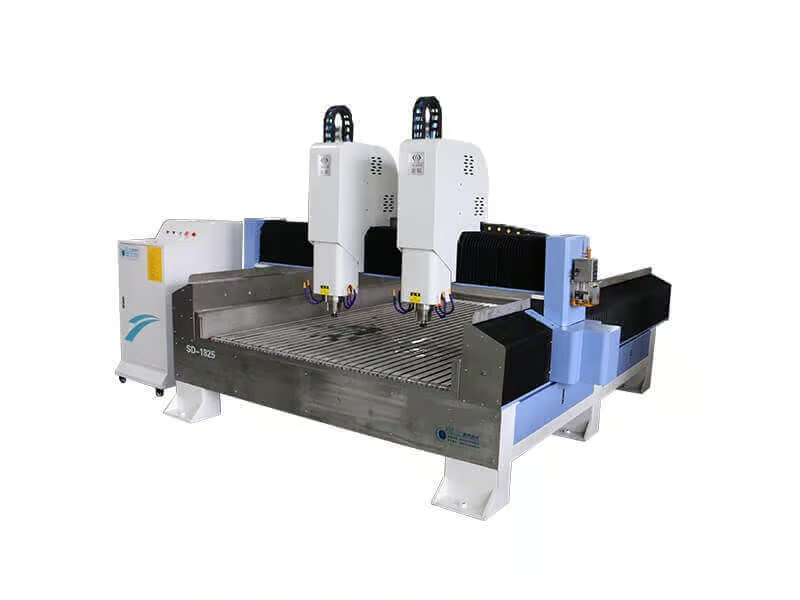 Stone Engraving Machines
 Thin Stone Veneer Saw Machine
 Horizontal Stone Slab Splitting Machine
 Stone Edge Polishing Profiling Machine
 Stone Auxiliary Equipment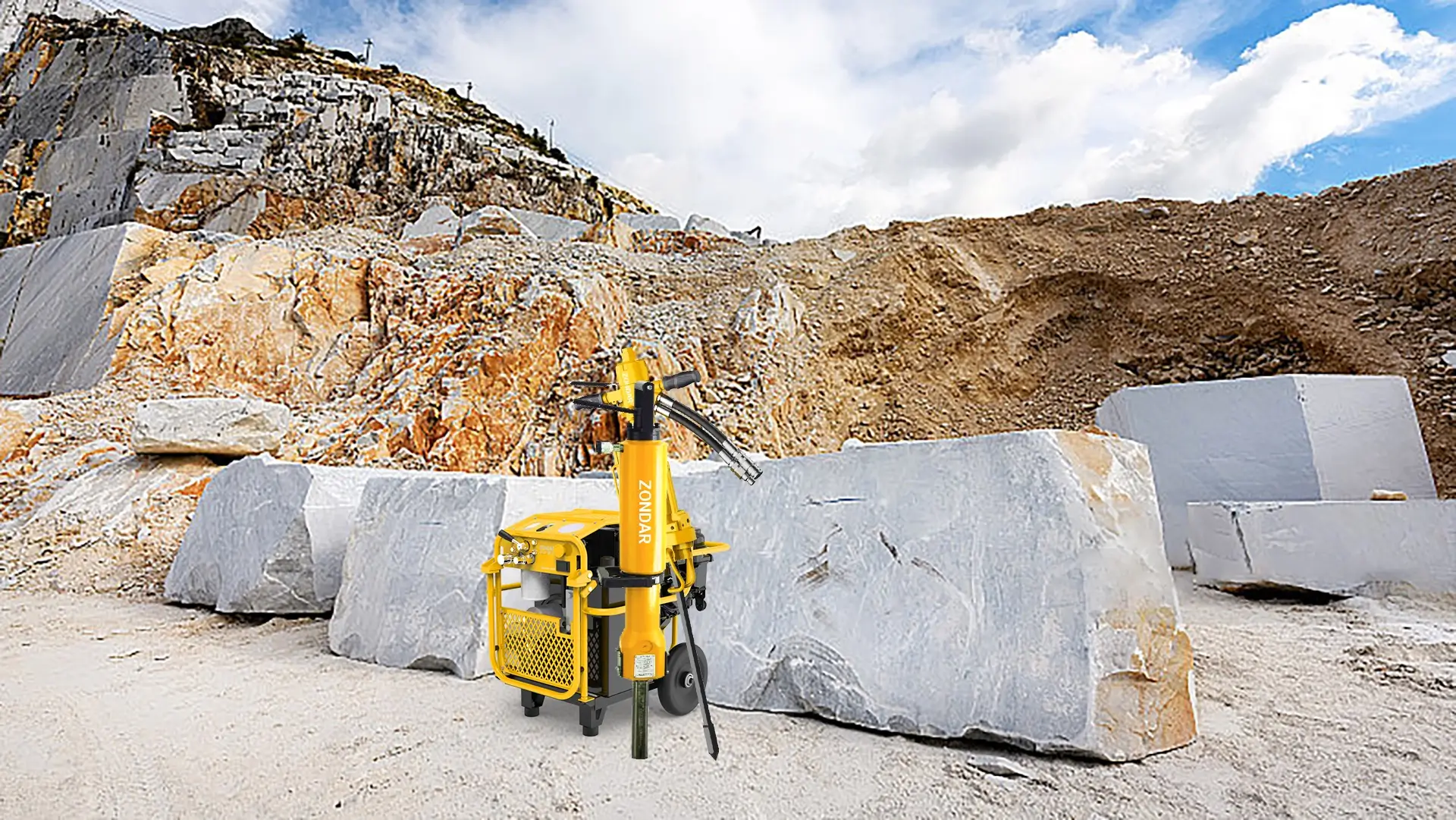
The single most frequent cause of catastrophic hydraulic splitter failure is not a manufacturing defect, but a severe misunderstanding of high-pressure tribology (the science of friction and lubrication). According to industrial boundary lubrication standards established by the Society of Tribologists and Lubrication Engineers (STLE), standard petroleum greases suffer total film collapse under extreme mechanical loads. When a hydraulic rock splitter operates at 60 MPa, it exerts massive shear forces. Ordinary oil is instantly squeezed out of the microscopic gaps, resulting in direct steel-on-steel contact. This friction generates instantaneous localized heat, causing the steel surfaces to undergo “cold welding,” commonly known in the industry as Galling.
A hard rock quarry in Australia learned an incredibly expensive lesson regarding this physical reality. Their operators mistakenly assumed that the standard lithium-based chassis grease used on their excavator pins was sufficient for their new MosCut splitting cylinders. Within 50 splitting cycles, the premium steel feathers suffered severe scoring and eventually snapped completely in half due to extreme friction binding. Upon intervention by MosCut field engineers, the crew was retrained to exclusively use MosCut Extreme-Pressure (EP) Paste containing Molybdenum Disulfide (MoS2) and graphite. Following this single chemical switch, their feather lifespan skyrocketed to over 500 cycles, reducing their consumable replacement costs by an astounding 90%.
The Physics of Destruction: What is Galling?
When two pieces of steel slide against each other under crushing pressure, they attempt to become one solid piece of metal.To understand how to protect your splitters, you must understand how they are destroyed. No matter how smoothly steel is polished, on a microscopic level, its surface looks like a jagged mountain range filled with peaks (asperities) and valleys.
During the splitting cycle, the central wedge slides violently against the two outer feathers, pushing them outward with up to 1090 tons of force. If there is no protective barrier between them, these microscopic metal peaks crash into each other. The friction creates instantaneous flashes of extreme heat, causing the peaks to micro-weld together. When the hydraulic cylinder pulls the wedge back up, these tiny welded joints are violently ripped apart. This phenomenon is called Galling. It leaves deep gouges, tears, and a rough, abrasive surface on the inner wall of the feather, which rapidly leads to total component fracture.

⚠️ The Fatal Mistake: Why Standard Grease Fails
Excavator chassis grease is designed for rotating pins, not 1000-ton sliding friction. Standard lithium grease, engine oil, or hydraulic fluid operates on a principle called hydrodynamic lubrication. They rely on maintaining a liquid cushion between parts. However, these liquids have a low “load-carrying capacity.” Under the crushing 60 MPa (8,700 PSI) sliding pressure of a rock splitter, the liquid grease is instantaneously squeezed completely out of the contact zone. Within one second of activating the pump, you are operating entirely with dry, unlubricated steel, resulting in immediate galling.
The Solution: Solid Film Lubricants
To permanently separate the wedge and feathers, you need a lubricant that physically cannot be squeezed out.🛡️ Molybdenum Disulfide (MoS2)
MosCut Extreme-Pressure (EP) Paste is engineered with a high concentration of MoS2. This chemical has a unique lamellar (layered) crystalline structure. Under massive pressure, these microscopic layers slide easily over one another like a deck of playing cards. Even if the liquid grease carrier is burned away by heat, the solid MoS2 layers remain permanently bonded to the steel, ensuring smooth friction transfer.
⚙️ Graphite & Copper Flakes
High-end splitting pastes also contain suspended graphite and microscopic copper or zinc flakes. When the immense hydraulic pressure is applied, these solid particles are literally pressed into the microscopic pores of the steel. They act as millions of microscopic solid ball bearings, creating an unbreakable physical barrier that physically prevents the steel wedge from touching the steel feather.
The Standard Operating Procedure (SOP): How to Lubricate
Applying the right paste the wrong way is just as destructive. Follow this rigid maintenance protocol on the job site.Step 1: Clean (The Most Overlooked Step)
Never apply fresh paste over old, dirty paste. As you split rock, fine silica dust inevitably blows into the wedge assembly. If you mix fresh EP paste with silica dust, you have just created a highly abrasive grinding compound. Always use a stiff wire brush to aggressively scrub the sliding surfaces clean before re-lubricating.
Step 2: Apply Selectively
Using the provided applicator brush, apply a thin, even coat of EP paste only to the two angled sliding faces of the central wedge, and the corresponding smooth inner faces of the two feathers. Never lubricate the outer curved side of the feathers. The outside of the feathers must remain completely dry to grip the rock wall securely.
Step 3: The Frequency Rule
The golden rule for maximizing consumable lifespan: You must retract the wedge and apply a fresh coat of EP paste every 3 to 5 splitting cycles. Operating beyond this frequency rapidly degrades the solid film barrier.

Visual Warning Signs: When to Replace
Don’t wait for a catastrophic snap. Learn to read the wear patterns on your steel to prevent pump and cylinder damage.Blue Heat Marks (Annealing): If you see distinct blue or purple discoloration on the steel of the wedge or feathers, it means the component has experienced extreme, localized friction heat. The lubrication has completely failed, and the heat has ruined the temper of the alloy steel, making it brittle and prone to shattering. Replace immediately.
Stepped Wear (The Danger Zone): The inner surface of the feathers should be perfectly flat. Over time, poor lubrication will cause a “step” or a distinct divot to form where the central wedge presses hardest. If you continue using a stepped feather, the central wedge will catch on this ridge. The resulting crooked pressure will severely bend the main hydraulic piston rod, transforming a cheap consumable replacement into an expensive cylinder repair.

Protect Your High-Tonnage Investment
Do not let cheap grease destroy your premium equipment. Stock up on MosCut’s proprietary Extreme-Pressure Lubricating Paste and high-strength replacement feather sets today to ensure unstoppable 24/7 performance.
View MosCut Splitters & Accessories