
 Stone Cutting Machines
 Stone Polishing Machines
 Bridge Saw Machines
 Stone Quarry Cutting Machines
 Stone Block Cutter Machine
 CNC Stone Wire Saw Machine
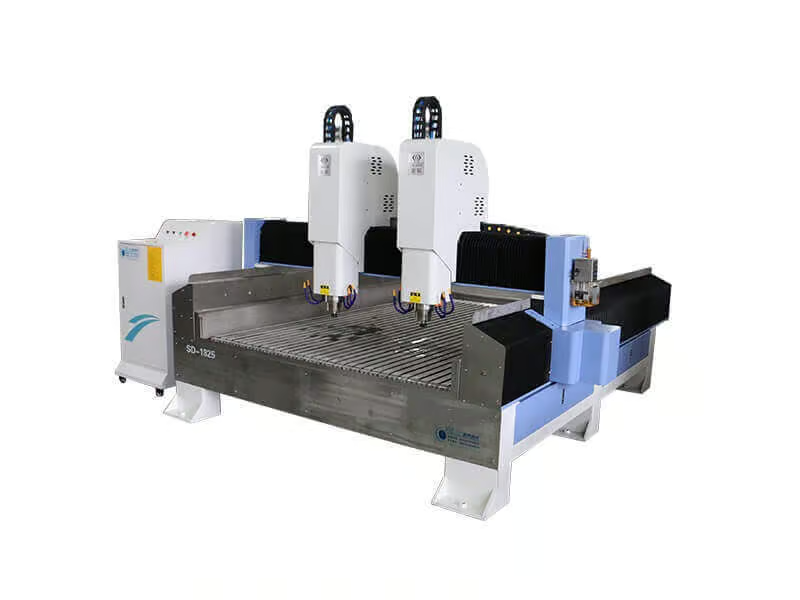 Stone Engraving Machines
 Thin Stone Veneer Saw Machine
 Horizontal Stone Slab Splitting Machine
 Stone Edge Polishing Profiling Machine
 Stone Auxiliary Equipment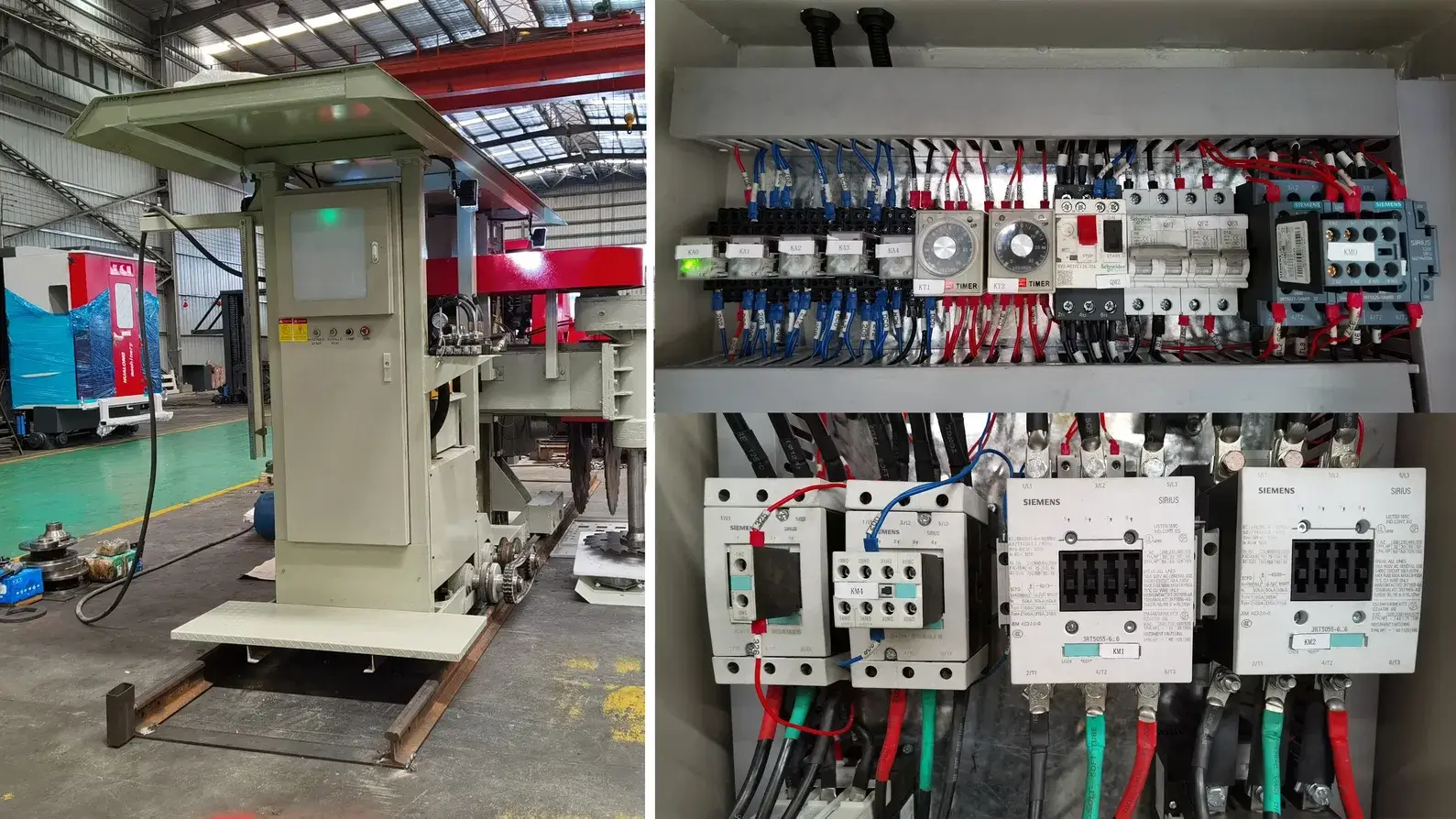
Operating heavy induction motors under the unrelenting ambient stress of open-pit extraction demands rigorous thermodynamic safeguards. According to the electrical insulation and thermal standard profiles established by the National Electrical Manufacturers Association (NEMA), high-horsepower industrial motors deployed in severely dust-laden environments require specialized protective configurations to mitigate temperature spikes. Statistics indicate that over 70% of premature motor burnouts in remote stone mines are not caused by mechanical fatigue, but rather by improper variable frequency drive (VFD) tuning or cooling system failures that induce catastrophic dielectric insulation breakdown.
A large sandstone mining operation located in the scorching desert plains of Southern Egypt provides a clear example of this risk. Experiencing extreme summer ambient temperatures exceeding 45°C, their previous stone cutters suffered constantly from thermal failures. Every afternoon, their main spindle motors would trip out or experience severe winding burnouts, halting production for days. After introducing the MosCut platform, our engineering team re-calibrated the VFD integrated software to utilize sensorless vector control parameters and customized the overcurrent protection curves. Combined with a strict electrical enclosure hygiene SOP, their high-performance 75kW spindle motor now runs continuously at full capacity through the hottest hours of the day without a single thermal incident.
The Anatomy of an Overload: Why Motors Burn Out
A 75kW motor is a beast of pure torque, but pushing it beyond its thermal limits will melt its internal copper windings.To understand motor burnout, you must understand the physics of resistance. When a multi-blade cutting machine strikes an exceptionally dense pocket of rock—such as a heavily compacted quartz vein inside a sandstone bench—the circular blades encounter a massive physical barrier.
If the machine continues to forge ahead at an unadjusted velocity, the motor’s rotor struggles to maintain its synchronized RPM. To compensate for this sudden physical drag, the motor begins to aggressively draw more electrical current from the power grid. This severe spike in amperage produces rapid, intense heat inside the copper stator coils. If the temperature surpasses the thermal limits of the motor’s internal insulation coating (such as standard Class F or Class H enamel), the protective resin melts. This causes a terminal short circuit, permanently destroying the motor windings within seconds.

VFD Tuning: The Brain Protecting the Muscle
The Variable Frequency Drive is your first line of defense. Proper tuning ensures the machine slows down before the motor burns up.A heavy-duty quarry saw should never operate as a blind mechanical ram. MosCut electrical systems utilize an advanced, programmable Variable Frequency Drive (VFD) that acts as an intelligent supervisor over the machine’s primary movements.
Our engineered VFD profiles continuously monitor the precise real-time amperage drawn by the 75kW main spindle motor. The moment the current draws near a dangerous threshold due to dense rock formations, the VFD automatically sends an over-riding command to the travel feed motor. The machine automatically reduces its forward advance speed along the steel rails. This intelligent slowdown gives the massive blades sufficient time to grind through the hard zone without overloading the spindle. Once the amperage drops back to a safe zone, the VFD smoothly restores peak travel velocity, safeguarding the electrical system without human intervention.

Voltage Drop and Generator Sizing in Remote Pits
Starving your motor of voltage causes it to draw more current to compensate. In remote quarries, your power supply is critical.Remote open-pit operations frequently suffer from poor power infrastructure. Operating a machine with an overall power requirement of 130kW requires highly specific grid management, especially when relying on portable diesel generator units.
Generator Capacity: You cannot run a 130kW machine on a 130kW generator. The inrush current required to launch massive 1350mm vertical blades from a complete standstill is enormous. Quarries must utilize a heavy-duty generator rated for at least 200kW to 250kW to provide adequate starting headroom.
Cable Line Losses: Running hundreds of meters of undersized electrical cable deep into a quarry pit causes severe voltage drops. If the voltage arriving at the machine’s electrical cabinet drops significantly below the rated 380V-415V, the motor is starved of electrical force. To achieve its required power output, the motor is forced to draw excessive current, leading to rapid heat buildup and inevitable burnout. Heavy copper cables with correct cross-sectional areas are mandatory.

Electrical Cabinet Hygiene: Beating the Silica Dust
Sandstone dust is highly conductive when mixed with moisture. Keeping the IP65 cabinet sealed is non-negotiable.Sandstone extraction produces a relentless cloud of ultra-fine, highly abrasive silica dust. This dust is a silent killer of electronics. If quarry operators leave the electrical enclosure doors open or unlatched during operation, this dust accumulates directly on the sensitive heat sinks of the VFD drives and main contactors.
The dust layer acts like a heavy insulation blanket, trapping heat inside the electronic components and causing the VFD to experience premature thermal shutdowns. Furthermore, if morning humidity or water spray mixes with the accumulated silica dust inside the cabinet, it creates a conductive paste that induces short circuits across the main terminal blocks. MosCut enclosures utilize an IP65 completely sealed design with isolated cooling paths. Keeping these doors securely latched at all times is vital to ensuring long-term electronic health.

Mechanical Drag: The Hidden Cause of Electrical Overloads
Electrical overloads are often caused by mechanical problems. A warped blade or unlevel track forces the motor to fight itself.When the VFD display begins to flash overcurrent codes frequently, technician teams often waste hours troubleshooting the electrical wiring when the true culprit is purely mechanical friction.
If the 100-meter steel rail foundation is laid over uneven ground without being properly leveled, the machine’s heavy chassis will experience slight twisting forces as it travels. This subtle misalignment forces the massive 1350mm circular blades to run slightly crooked inside the cut slot. The sides of the spinning blade core will rub heavily against the stone walls, creating massive mechanical drag. The 75kW main spindle motor is forced to combat this artificial friction, driving the current draw past safe limits. Ensuring a perfectly flat track layout is essential to maintaining low motor temperatures.

Protect Your Quarry Investment
Don’t let power failures or improper tuning compromise your quarry’s productivity. Choose equipment engineered to withstand the most extreme electrical and environmental demands.
View MosCut Soft Stone Cutters