
 Stone Cutting Machines
 Stone Polishing Machines
 Bridge Saw Machines
 Stone Quarry Cutting Machines
 Stone Block Cutter Machine
 CNC Stone Wire Saw Machine
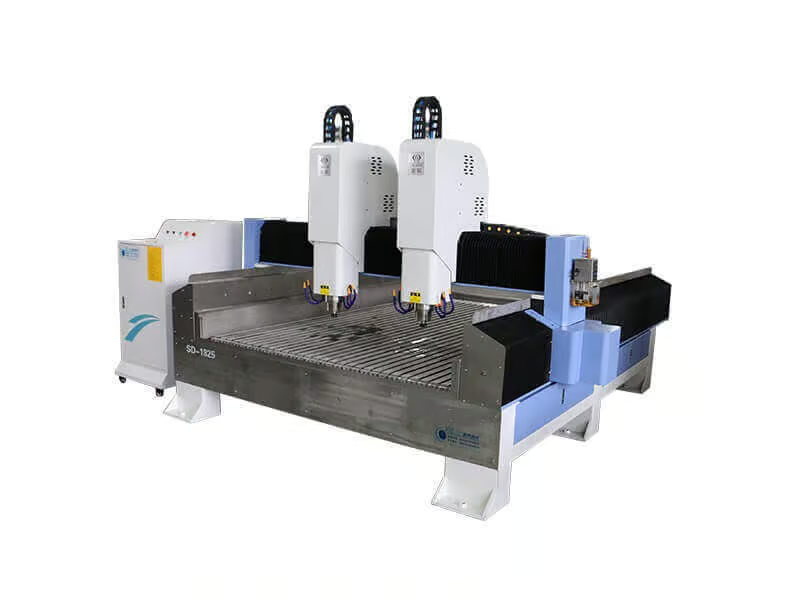 Stone Engraving Machines
 Thin Stone Veneer Saw Machine
 Horizontal Stone Slab Splitting Machine
 Stone Edge Polishing Profiling Machine
 Stone Auxiliary Equipment
In global heavy industry, preventive maintenance is the primary indicator of operational profitability and site safety. According to the international machinery safety and maintenance management protocols established by the International Organization for Standardization (ISO), adopting a standardized maintenance framework (such as ISO 12100) significantly mitigates unexpected downtime and hardware failure. For stone quarry managers, this technical discipline is essential to protecting the most critical consumable: the diamond wire.
A massive granite extraction site in Suez, Egypt, provides a definitive example. Before implementing a structured maintenance routine, their team experienced 5 to 8 wire snaps per month due to inconsistent tension and inadequate cooling—resulting in heavy financial losses. By switching to MosCut precision wire saws and following our VFD-based tension calibration and water-flow monitoring protocols, they achieved a 30% increase in wire lifespan and a zero-injury safety record within just six months.
Pre-Operational Checklist: The 10-Minute Safety Barrier
A successful day in the quarry begins with a disciplined eye. Never start a primary cut without confirming the structural integrity of your setup.The first ten minutes of every shift determine the safety of the next eight hours. Before activating the 55kW or 75kW main drive, operators must perform a focused visual and physical inspection of the entire wire loop. A single bead failing due to a loose injection or a frayed steel core can lead to a violent wire snap under tension. Ensure the cutting path is clear and all guiding pulleys are securely anchored.
- Check Wire Joints: Inspect the crimped joint for signs of slipping or cracking.
- Surface Bead Inspection: Ensure the diamond layer hasn’t worn down to the steel core.
- Verify PLC Data: Ensure the control cabinet shows no VFD inverter fault codes.
Mastering Tension: PLC and VFD Calibration
Tension is the soul of diamond wire saw operations. Too loose, and the wire wanders; too tight, and the risk of snapping increases exponentially.MosCut Diamond Wire Saws utilize a sophisticated closed-loop PLC system and Variable Frequency Drive (VFD) to maintain ‘Constant Tension’. Unlike older manual machines, the automated system travels backward based on real-time motor amp draw. It is vital to calibrate the traction force according to the stone hardness. For hard granite, a high linear speed (24-26 m/s) with a moderate pullback force prevents bead stripping. For softer marble, lower speeds but higher traction can increase the cutting rate safely.
The Cooling Imperative: Managing Water Flow
The friction between diamond beads and solid rock generates intense heat. Without precision cooling, the beads will experience thermal failure within minutes.Water serves two critical functions: cooling the beads and flushing out the abrasive stone slurry. If the water supply is inconsistent, the rubber or plastic injection molding between the beads will melt, leading to ‘Plastic Stripping’. This exposes the raw steel cable to the abrasive rock, causing it to fail instantly. Furthermore, if using recycled water, ensure it has passed through a proper settling tank; pumping thick mud back into the cut acts like liquid sandpaper, rapidly eroding the diamond beads.
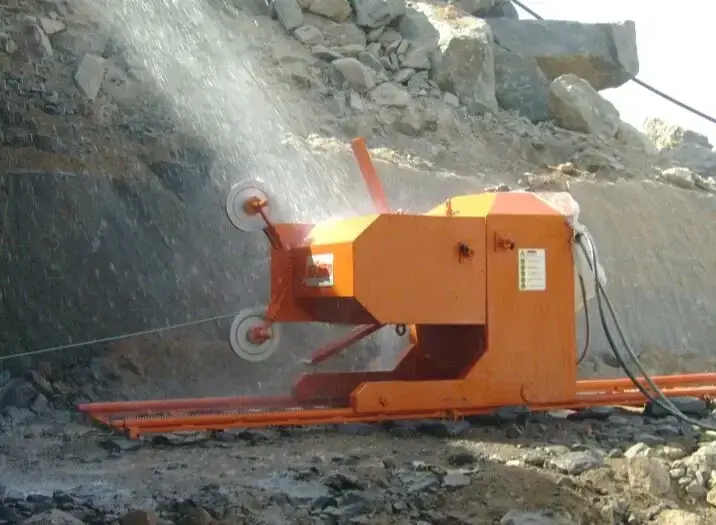
Bead and Joint Inspection: Recognizing Early Warnings
Your diamond wire is as strong as its weakest bead. Learning to ‘read’ the wear patterns is an essential skill for every quarry operator.During the mid-shift break, operators should inspect the wire for ‘Oval Wear’. This happens when the wire fails to rotate on its axis during the cut, causing the beads to wear flat on one side. This can be corrected by ensuring the wire is properly pre-twisted (approx. 2 twists per meter) before crimping. Additionally, the hydraulic crimp joint must be replaced every 50-80 square meters of cutting to prevent metal fatigue. Never attempt to ‘over-crimp’ an old joint; always cut it out and use a fresh copper or steel sleeve.
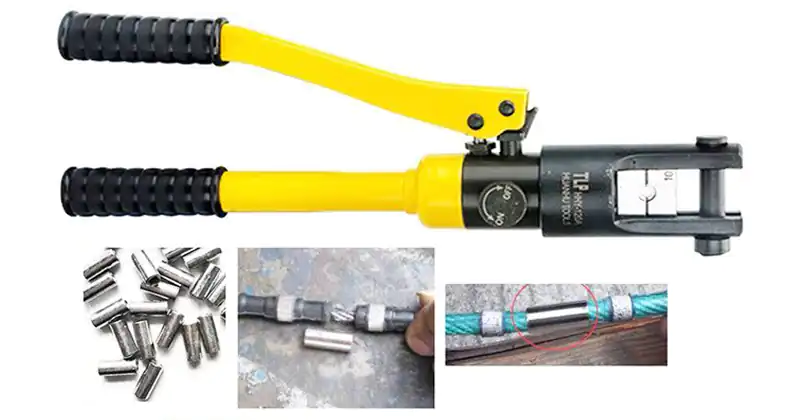
Flywheel and Pulley Maintenance: The Drive System
The machine’s flywheels direct the energy of the motor to the rock face. Misalignment here is the silent killer of wire saw strings.The main 800mm drive flywheel is lined with a specialized rubber or polyurethane liner. This liner provides the friction necessary to pull the wire. If the liner develops a deep ‘V’ groove, the wire will start to vibrate and jump, which drastically shortens bead life. Liners should be replaced every 300 to 500 operational hours. Similarly, guiding pulleys must be horizontally and vertically aligned; even a slight 5-degree tilt in a pulley can cause the wire to experience uneven lateral wear, leading to premature core failure.
Is Your Quarry Setup Optimal for Wire Longevity?
Don’t let poor maintenance drain your profits. Upgrade to MosCut’s intelligent, PLC-driven wire saw machines designed to prevent tension errors and maximize your consumable ROI.
View Our High-Performance Wire Saws