
 Stone Cutting Machines
 Stone Polishing Machines
 Bridge Saw Machines
 Stone Quarry Cutting Machines
 Stone Block Cutter Machine
 CNC Stone Wire Saw Machine
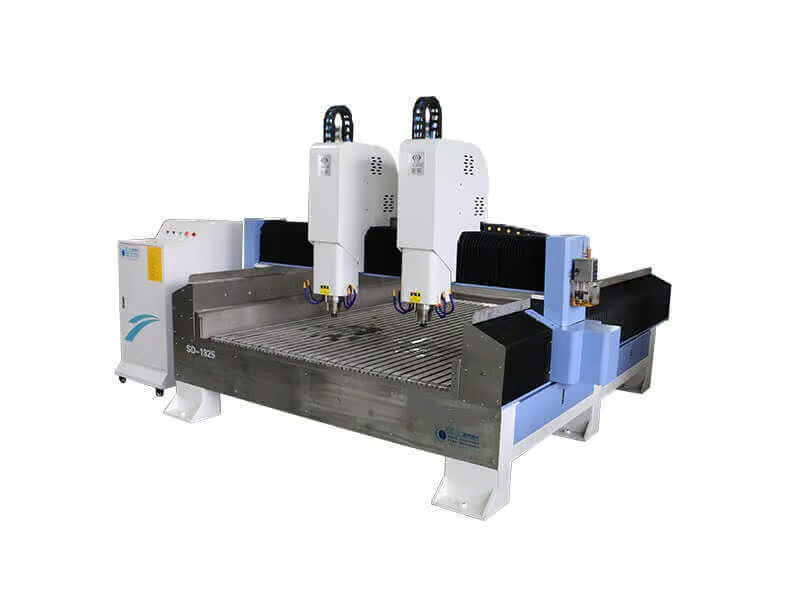 Stone Engraving Machines
 Thin Stone Veneer Saw Machine
 Horizontal Stone Slab Splitting Machine
 Stone Edge Polishing Profiling Machine
 Stone Auxiliary Equipment
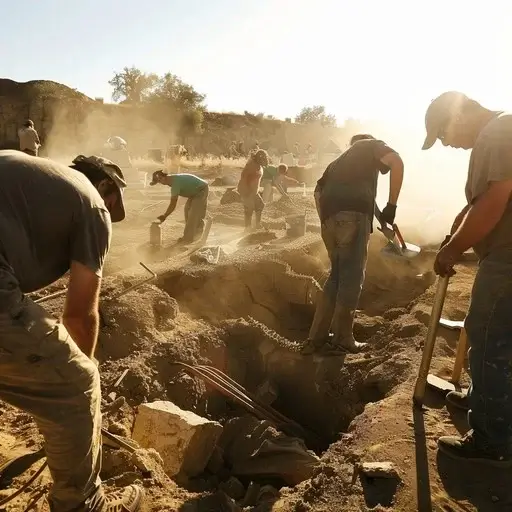
In developing markets, the perceived low cost of manual labor often masks catastrophic financial inefficiencies within the quarrying sector. According to sustainability reports by the International Council on Mining and Metals (ICMM), ‘Resource Depletion’ caused by inefficient manual extraction methods is the single largest barrier to profitability in soft stone mining. Relying on hammers, wedges, and explosive agents to extract sandstone and limestone invariably results in massive volume loss, destroying the geometric integrity of the blocks before they ever leave the pit.
A large-scale laterite building material quarry in Kenya experienced this exact financial bleed. Employing a crew of 30 workers to manually drill and split the stone was resulting in highly irregular breakages, pushing their waste rate to a staggering 45%. After analyzing their operational overhead, they invested in a MosCut all-in-one Sandstone & Limestone Cutting Machine. With just 1 operator, they began producing 150 square meters of perfectly squared architectural blocks daily. The waste rate plummeted below 5%. The revenue generated simply from the ‘saved stone’ allowed them to fully recoup the machine’s initial capital investment within just 4 months.
The Illusion of “Cheap” Labor
A low daily wage does not equal a low cost of production. Manual extraction hides massive inefficiencies in your balance sheet.Many quarry owners look strictly at the daily wages of manual laborers and conclude that buying heavy machinery is unnecessary. This is a dangerous financial illusion. While the daily payout might seem low, manual drilling, wedging, and prying are incredibly slow processes.
Furthermore, managing a crew of 30 to 50 workers requires intense logistical support: transportation, housing, management oversight, and dealing with constant absenteeism. Crucially, manual splitting carries a high risk of worker injury, leading to unexpected compensation costs and halted production. A MosCut extraction machine requires a significant initial capital layout, but it serves as a relentless, injury-free, 24-hour employee that requires minimal management.
Yield Loss: The Unseen Cost of Rubble
Every time a manual wedge cracks a block unevenly, you are literally leaving money in the dirt.The physics of soft stone extraction work against manual labor. Sedimentary rocks like sandstone and tuff have natural fault lines. When workers hammer steel wedges into drilled holes, the explosive force is unevenly distributed. Instead of splitting cleanly, the rock often fractures diagonally, or the entire bottom of the block tears out (bottom breakout).
Quarries using manual methods routinely experience a 30% to 40% waste rate. This means almost half of the valuable stone deposit is reduced to worthless gravel. The MosCut machine utilizes high-speed diamond blades to physically slice the stone rather than shatter it. This vibration-free cutting preserves the internal integrity of the block, delivering an astonishing yield of over 95%. Calculate the value of 10 extra cubic meters of premium stone per day, and the ROI becomes undeniable.

The Factory Bottleneck: Secondary Squaring
Extracting the stone is only half the battle. If the block isn’t square, your factory will bleed profit trying to fix it.Manual extraction produces ‘bellies’ and massive bulges on the sides of the stone block. These irregular blocks cannot be sold as finished products. They must be loaded onto expensive flatbed trucks, hauled to a processing factory, and placed under massive bridge saws to shave off the uneven edges (secondary squaring).
This secondary step consumes massive amounts of electricity, wastes transport fuel, and rapidly burns through factory diamond blades. Because the MosCut soft stone cutting machine features integrated vertical and horizontal blades, it extracts blocks with perfect 90-degree corners directly in the pit. The stone is ‘factory-ready’ the moment it is cut, completely eliminating the entire secondary squaring process and its associated costs.

Speed and Scalability
When market demand spikes, manual crews cannot scale instantly. Mechanization unlocks exponential growth.Commercial agility dictates success. If a massive construction project suddenly demands an extra 1,000 square meters of sandstone next week, a manual operation will fail. You cannot magically hire, house, and train 50 skilled stone splitters overnight.
Mechanization provides ultimate scalability. If demand spikes, you simply adjust the VFD parameters to increase the machine’s travel speed, or more effectively, you implement a night shift. Equipped with IP65 dust-proof electrical cabinets and floodlights, the MosCut machine can operate 24 hours a day. One trained operator can instantly double your quarry’s output with the flip of a switch.

ROI Comparison: Manual vs. Mechanized
The numbers speak for themselves. Compare the true cost metrics of manual splitting versus MosCut extraction over a standard 30-day operating period.| Operational Metric | Manual Crew (30 Workers) | MosCut Extraction Machine (1 Operator) |
|---|---|---|
| Labor Requirements | High (30+ personnel) | Minimal (1 Operator) |
| Block Yield (Raw Stone Saved) | 55% – 65% (Massive Rubble) | 95%+ (Perfect Preservation) |
| Secondary Squaring Need | Mandatory (High factory costs) | None (Direct to market blocks) |
| Production Consistency | Variable (Worker fatigue, weather) | Absolute (Constant mechanical feed rate) |
| Scalability to 24/7 Ops | Extremely difficult & costly | Immediate (Add one night-shift operator) |
| Safety & Liability Risk | High risk of crush injuries | Zero contact (Remote/Panel operation) |
Stop Leaving Profit on the Quarry Floor
Transition to modern extraction. Upgrade your operation with the MosCut Sandstone & Limestone Cutting Machine and watch your ROI skyrocket.
View the Machine and Specifications