
 Stone Cutting Machines
 Stone Polishing Machines
 Bridge Saw Machines
 Stone Quarry Cutting Machines
 Stone Block Cutter Machine
 CNC Stone Wire Saw Machine
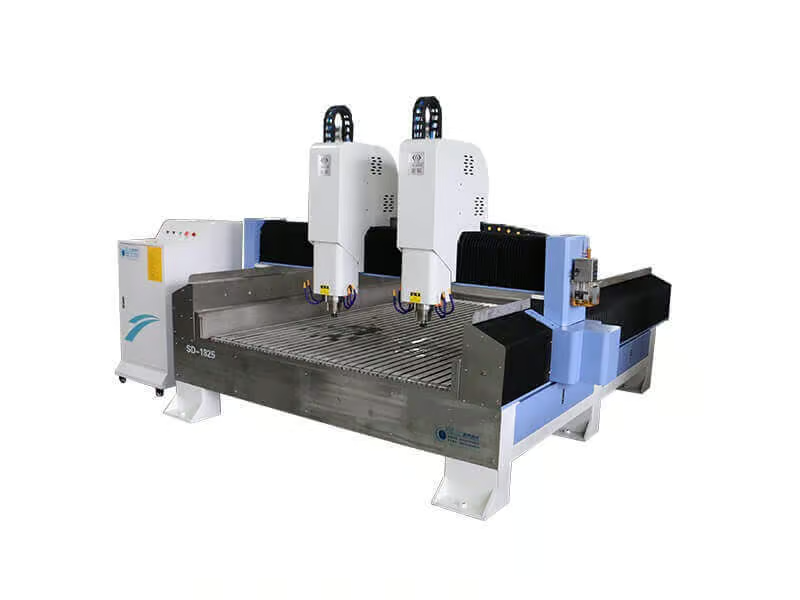 Stone Engraving Machines
 Thin Stone Veneer Saw Machine
 Horizontal Stone Slab Splitting Machine
 Stone Edge Polishing Profiling Machine
 Stone Auxiliary Equipment
In modern stone manufacturing, consumable waste and improper machinery maintenance are the most significant “silent killers” of factory profitability. Optimizing the lifecycle of your abrasives and protecting your electrical components is no longer optional for competitive workshops. According to the Resource Efficiency and Cleaner Production reports from the UN Environment Programme (UNEP), factories that implement rigorous industrial preventative maintenance and precision-match their consumables can reduce operational waste by up to 30%. In the specialized field of terrazzo and mosaic production, selecting the right pads and maintaining your pneumatic cylinders are the keys to ensuring a 100% first-pass quality rate.
A boutique terrazzo and cement tile factory in Izmir, Turkey, transformed their production efficiency by shifting their technical focus. Previously, they utilized traditional rigid diamond abrasive blocks, which caused frequent edge-chipping on small tiles and wore down at an alarming rate. Upon upgrading to a MosCut automatic tile polishing machine, they adopted our technical recommendation: switching to 150mm wet flexible polishing pads and implementing a daily “10-minute cylinder and PLC audit.” The results were remarkable: their edge-chipping rate dropped to zero, their pad lifespan increased by 40%, and the machine has operated for over two years in a high-moisture environment without a single electrical failure.
Choosing the Right Polishing Pads for Small-Format Tiles
Because terrazzo and mosaic tiles contain aggregates of varying hardness, they have zero tolerance for improper abrasive selection. Choosing the right material and diameter is the first step toward a perfect finish.
The Superiority of Wet Flexible Polishing Pads
Traditional rigid grinding blocks are too aggressive for small tiles. We highly recommend utilizing wet flexible polishing pads (available in 125mm, 150mm, or 200mm diameters). These pads feature a semi-flexible resin matrix that conforms to the micro-nuances of the stone surface. This flexibility ensures the pad stays in constant contact with the entire tile surface without “jumping,” which provides a smoother hone and a much higher mirror gloss. Furthermore, these pads are significantly more cost-effective to replace than custom rigid diamond segments.
Mastering the Abrasive Grit Sequence
For architectural-grade terrazzo, a disciplined grit sequence is required. Start with coarse 50 or 100-grit pads for initial surface leveling, then transition through 200, 400, 800, 1500, and 3000 grit for the final shine. Skipping a step in the sequence creates microscopic scratches that trap slurry and dull the final finish. Ensure your automatic line’s water feed is always at maximum volume during the resin-pad stages to prevent the pads from glazing over.

Eliminating Edge Chipping on Mosaics and Terrazzo
Edge chipping is the most expensive defect in small-format tile fabrication. By optimizing the physical contact mechanics of your machine, you can eliminate this issue entirely.

Matching Pad Diameter to Tile Size
A common mistake is using massive 400mm polishing heads (from a slab machine) for 100mm mosaic chips. The oversized head creates excessive lateral torque on the edge of the tile, causing it to snap or chip. Using 125mm or 150mm heads on your MosCut line allows for more focused downward pressure, ensuring the abrasive pad stays flat on the tile surface and never “catches” the leading or trailing edge of the stone.
Optimizing Pneumatic Downward Pressure
Our automatic lines utilize a flexible pneumatic cylinder system to control the polishing heads. Unlike rigid mechanical screw-downs, pneumatic pressure acts as a shock absorber. This allows the polishing head to “breathe” over the stone, instantly adapting to minor thickness tolerances in your terrazzo tiles. Calibrating your air pressure to a consistent 0.2 to 0.4 MPa (depending on stone hardness) is critical for defect-free production.
Preventative Maintenance for Electrical and PLC Systems
Automatic polishing lines operate in an environment filled with water mist and stone dust every day. Protecting the “brain” of your machine is central to ensuring 24/7 productivity.
Protecting Mitsubishi PLCs and Schneider Components
The high-end Mitsubishi PLC and Schneider Electric components are built for industrial longevity, but they must be kept dry. Ensure the electrical cabinet seals are checked weekly. Every month, use a low-pressure air gun (ensure the air is moisture-free) to blow out any dust that may have entered the cabinet. This prevents heat buildup on the inverters and ensures the relays continue to fire with millisecond precision.
Daily Sensor and Conveyor Belt Cleaning
At the end of every shift, a simple 5-minute cleaning routine is the best insurance for your machine. Wash down the conveyor belt to remove any abrasive stone slurry that can harden overnight. Pay special attention to the photoelectric sensors that detect incoming tiles; if these sensors are coated in mud, the machine may fail to lift or lower the heads correctly, leading to tile damage or head crashes.
Maintaining the Pneumatic Lifting Cylinders
Pneumatic cylinders are the “muscles” that control the polishing heads. If your air system is poorly maintained, the heads will stutter, causing scratches on the tile surface.
Air Compressor Calibration and Moisture Traps
Stone workshops are humid, and air compressors naturally condense water into the lines. It is vital to use high-quality moisture traps and drain your air tank daily. If water enters the pneumatic cylinders of your polishing heads, it will cause internal rust and seal failure. A clean, dry air supply ensures the heads respond instantly to the PLC’s commands.
Lubrication for Smooth Head Oscillation
The crossbeam oscillation and the vertical lifting shafts should be lubricated daily with a light industrial grease. This reduces friction on the motor and ensures the radial movement across the belt stays perfectly smooth. A smooth oscillation translates directly into a wave-free, uniform gloss on your finished terrazzo products.
Ready to Upgrade Your Tile Finishing Process?
World-class finishing requires world-class equipment. If your current machine lacks precision pressure control or frequently suffers from electrical failures, it is time for an industrial upgrade.
Master Your Tile Finish with MosCut
Explore our Automatic Terrazzo & Mosaic Tile Polishing Machines. Specifically engineered for small-format precision with independent head control and industrial-grade Schneider/Mitsubishi electronics.
View Full Machine Technical DataTop 10 Frequently Asked Questions About Pads & Maintenance
We address the most common technical questions from workshop managers regarding abrasive wear, pneumatic settings, and long-term electrical care.