
 Stone Cutting Machines
 Stone Polishing Machines
 Bridge Saw Machines
 Stone Quarry Cutting Machines
 Stone Block Cutter Machine
 CNC Stone Wire Saw Machine
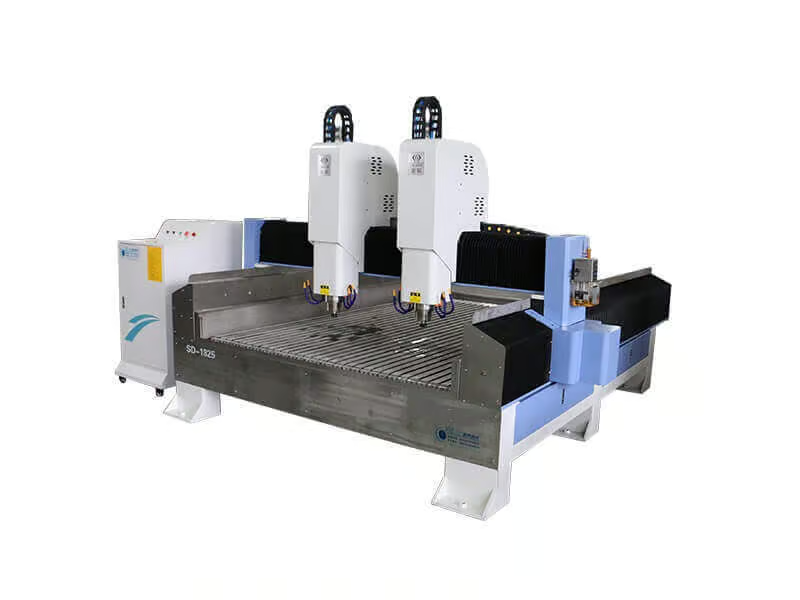 Stone Engraving Machines
 Thin Stone Veneer Saw Machine
 Horizontal Stone Slab Splitting Machine
 Stone Edge Polishing Profiling Machine
 Stone Auxiliary Equipment
In the modern stone fabrication industry, the push for operational efficiency is no longer just about speed—it is about maximizing resource utility and minimizing industrial waste. Proper machinery operation and disciplined maintenance play a pivotal role in the sustainability of a workshop. According to comprehensive industrial sustainability reports from the World Bank, manufacturing facilities that implement rigorous operational techniques and routine maintenance protocols can extend the functional lifespan of heavy machinery by up to 60%, while simultaneously reducing raw material wastage by nearly 15%. For manual stone polishing, technique is the ultimate safeguard of quality.
Consider the transformation of a traditional marble restoration workshop located in Carrara, Italy. For years, they struggled with inconsistent “orange peel” surface defects on soft Calacatta marble, largely due to an improper abrasive sequencing and lack of tactile control on their outdated equipment. After upgrading to the MosCut manual stone polishing machine and adopting our recommended figure-eight sweeping protocols, they witnessed an immediate change. By mastering the tactile feedback of the new radial arm, they completely eliminated surface wave defects and reported a 25% reduction in their monthly abrasive consumable costs, all while achieving a mirror gloss that has set a new benchmark for their bespoke furniture clients.
Core Body Mechanics: Mastering the Radial Sweep
The secret to a perfect polish on a manual machine lies not just in the powerful motor, but in the operator’s physical rhythm. Proper body mechanics ensure an even surface finish and prevent operator fatigue.
Perfecting the Figure-Eight Motion
Consistency is key to preventing “high spots” and surface waves. The most effective technique is the “figure-eight” motion, where the operator sweeps the radial arm in overlapping loops across the slab surface. This method ensures that every square centimeter of the stone receives equal contact time with the abrasive pad, leading to a perfectly uniform reflection across the entire slab geometry.
Utilizing Tactile Feedback for Pressure Control
Unlike automated sensors that rely on pre-programmed settings, the MosCut radial arm provides the operator with direct tactile feedback. By feeling the friction through the manual handle, an operator can instantly increase pressure on harder mineral deposits or lighten the touch on softer veins. This human intuition is what separates a standard industrial finish from a gallery-grade mirror polish.
Abrasive Selection: Matching Pads to Stone Density
Using the wrong grit sequence is the fastest way to ruin a valuable slab and waste money on consumables. Your abrasive strategy must change based on the specific mineral hardness of the stone.

Metal-Bonded Diamonds vs. Resin Pads
For the initial calibration and heavy material removal, metal-bonded diamond abrasives are essential. They provide the necessary “bite” to level the slab surface. Once the surface is perfectly flat, transitioning to resin-bonded pads is required to begin the polishing phase. Choosing the right bond hardness for your local stone types will significantly increase pad longevity and decrease heat buildup.
The Optimal Grit Sequence for High-Gloss Granite
Granite requires a disciplined progression: starting from a coarse 50-grit to remove saw marks, moving systematically through 100, 200, 400, 800, 1500, and finally 3000 grit for the mirror finish. Skipping a step in this sequence will leave microscopic scratches that only become visible once the final buffing compound is applied, often resulting in expensive rework.
The 5-Minute Daily Maintenance Protocol
A manual radial arm polisher is built to last for decades, but only if the mechanical friction points are respected. A simple daily routine is the ultimate insurance for your workshop investment.
Essential Spindle Lubrication and Greasing
The high-speed spindle and the radial arm joints are the most critical moving parts. Every morning before production begins, apply high-quality industrial grease to the primary lubrication nipples. This 2-minute task prevents heat friction from wearing down the internal bearings and ensures that the arm continues to move with “silk-smooth” fluidity for the operator.
Managing Water Flow to Prevent Slurry Buildup
Stone slurry is highly abrasive and can act like sandpaper on your machine’s guide rails. Ensure that the central water feed is clear and flowing correctly. After each shift, use a low-pressure hose to wash away any accumulated stone dust from the machine base and joints, preventing the slurry from hardening and causing premature mechanical wear.
Troubleshooting Common Polishing Defects
Even experienced fabricators occasionally encounter surface issues. Knowing how to quickly identify and correct these defects using a manual machine will save your workshop hours of rework.
Eliminating Swirl Marks and Scratches
Swirl marks are usually caused by a single piece of coarse grit from a previous stage getting trapped under a finer pad. To fix this, thoroughly wash the slab and the polishing head between every grit change. If swirls appear, you must drop back two grit levels to properly “erase” the scratch before proceeding again.
Correcting Uneven Gloss (The “Orange Peel” Effect)
The “orange peel” effect is often caused by excessive heat or uneven pressure on softer stones like marble. Ensure a constant high-volume water flow to keep the slab cool, and maintain a faster, lighter sweeping motion. If the defect persists, check the alignment of your iron worktable to ensure the slab is perfectly level.
Ready to Upgrade Your Polishing Station?
Pair your expert craftsmanship with machinery that responds to your touch. MosCut industrial equipment is designed to translate your professional technique into a flawless, high-gloss reality.
Master Every Slab with MosCut Precision
Discover our heavy-duty manual stone polishing machines. Engineered for maximum tactile control and decades of industrial reliability. Take the first step toward superior surface quality today.
View Manual Polisher SpecificationsTop 10 Frequently Asked Questions About Techniques & Care
We address the most common technical questions from professional operators regarding abrasive choices, water management, and long-term machine care.